
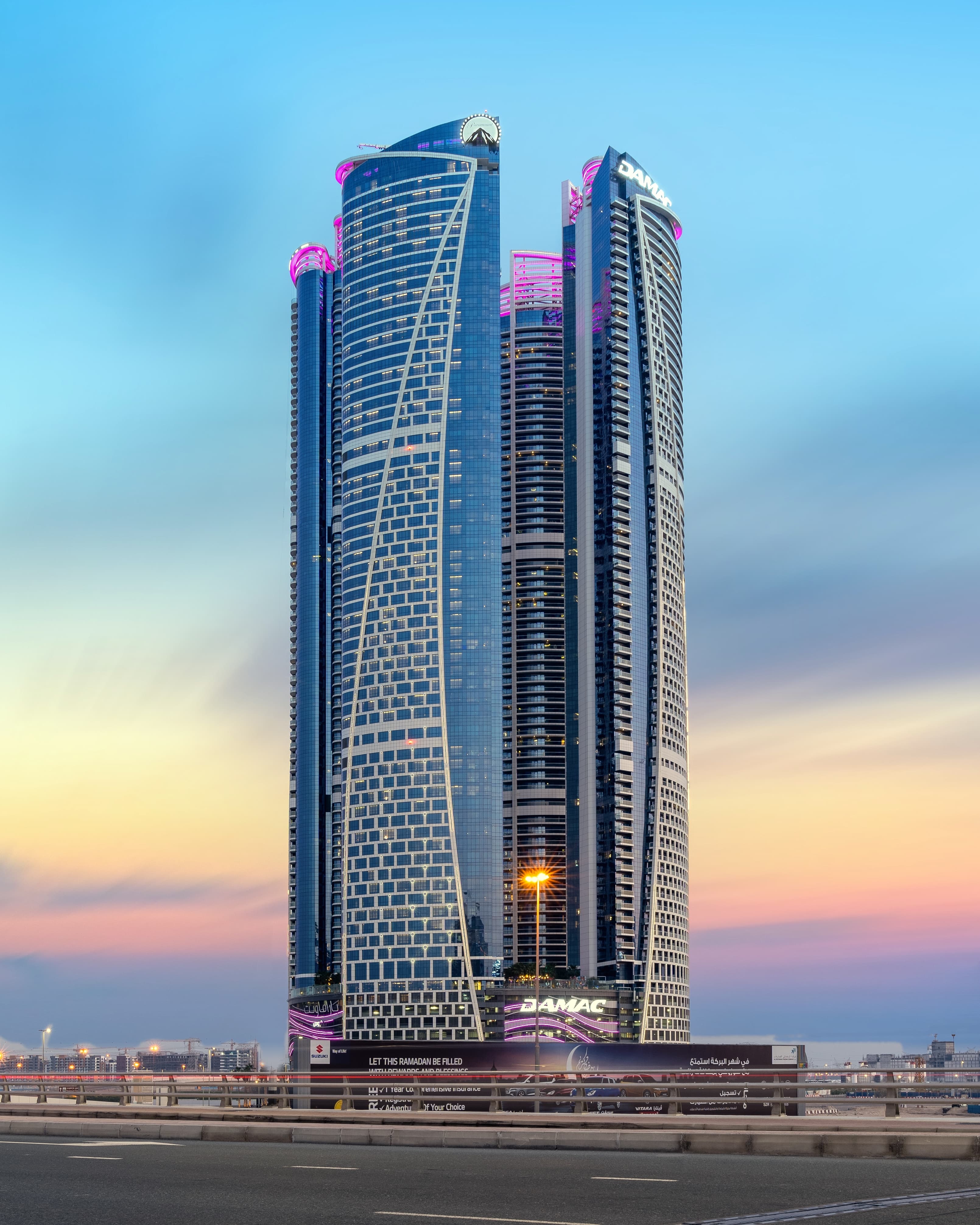
The UAE is a country that doesn’t just build, but sets the standards for the future. In this environment, industry, design, and emotion are no longer separate concepts. Today, we speak with the head of Emirates Extrusion Factory, an enterprise of Dubai Investments PJSC, about how the company transforms industrial aluminum profiles into high-tech products where every micron of the surface matters.
Emirates Extrusion Factory has been a key player in the UAE’s aluminum extrusion industry for many years. How would you describe the company’s position today?
— We have a 30-year history in the UAE and are proud to have participated in many landmark projects. Emirates Extrusion has evolved into a fully integrated aluminum profile manufacturer serving the architectural, industrial, and infrastructure sectors. Our current position is determined by our reliability, scale, and ability to supply complex, high-precision profiles that meet international standards. We focus on long-term partnerships, which are increasingly important in a demanding global market. Despite market turmoil, we continue to maintain high customer retention rates.
What market trends are currently shaping the aluminum extrusion industry in the UAE and the Middle East?
— We are seeing growing demand for high-precision architectural and façade systems, particularly energy-efficient profiles. Clients are placing greater emphasis on sustainability, while developers value lifecycle performance indicators and compliance with the UAE’s carbon reduction targets. Production capacity is expanding in the region, including at competitors with larger production lines. Areas that have been strengthened through systematic planning and operational optimization include supply chain resilience, uninterrupted raw material supply, and working capital stability
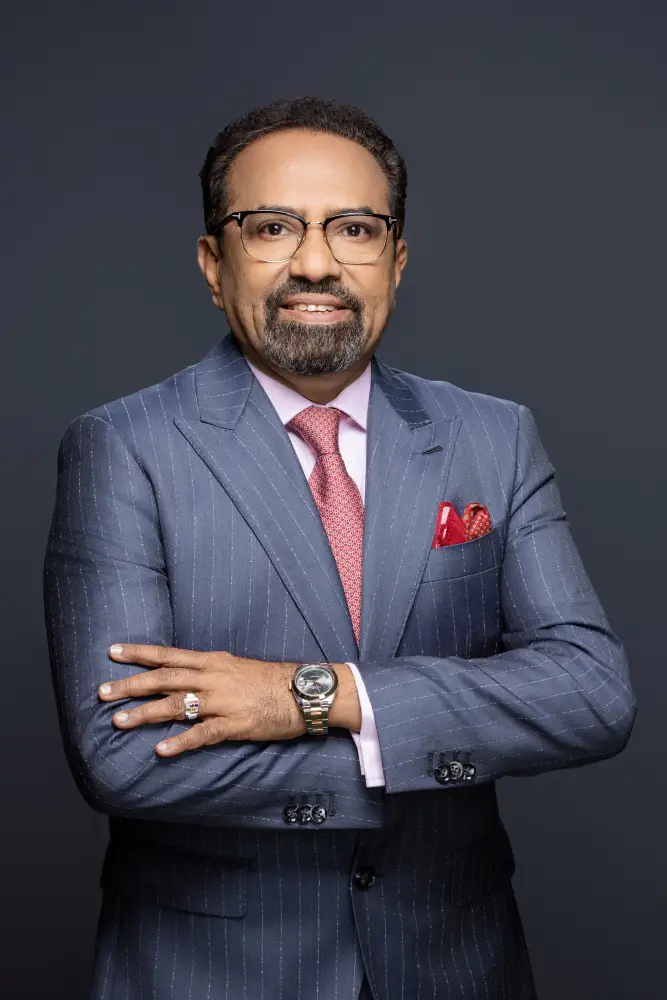
Sreekumar Brahmanandan Director, Emirates Extrusion
Emirates Extrusion Factory has made a number of advances in technology and manufacturing process efficiency. Could you highlight the most significant ones?
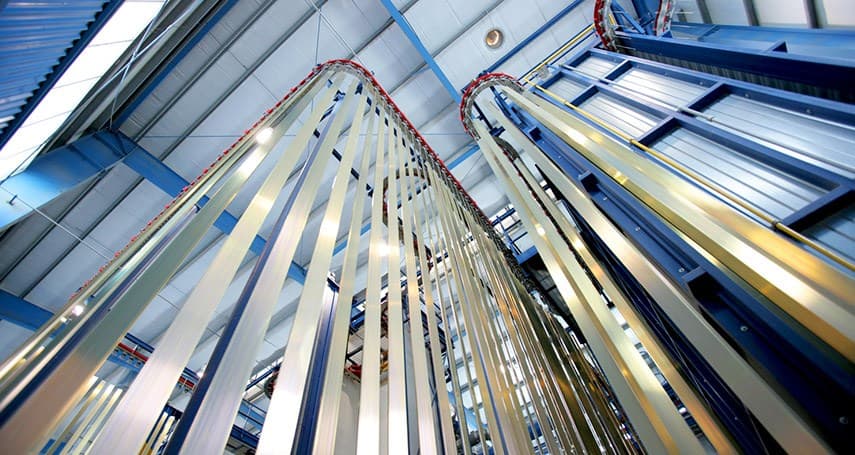
— Our investments are focused on the following aspects: Firstly, the modernisation of presses and the optimisation of die performance, which increases the metal recovery rate and reduces production losses. Secondly, our extensive surface treatment capabilities — powder coating, anodising, wood grain finishes — allow us to serve a variety of sectors, including construction, industrial design and transportation. Third, digital transformation supported by centralised ERP-based operations and improved process monitoring. Fourth, strengthening pricing process-es, customer delivery metrics, and quality benchmarking based on recent customer feedback and the Chairman’s comments. Together, these improvements provide greater stability, reduced variability, and shorter lead times for our customers.
Surface treatment, including powder coating, is a critical step in aluminum production. How do you assess its role in the overall value chain?
— Surface treatment is critical, but it is most effective when properly integrated into the extrusion and pretreatment processes. Powder coating promotes corrosion resistance, color stability, and durability, especially in harsh environments like the Middle East. However, achieving maximum efficiency requires proper profile design and process control.
How does collaboration with companies like Qemtex support your product strategy and technological development?
— Collaboration with specialized manufacturers like Qemtex plays a vital role in improving the overall performance of aluminum systems. Close collaboration allows us to align pretreatment processes and coating technologies early on. This results in more consistent quality, improved performance under challenging conditions, and faster adaptation to new architectural and industrial requirements. Strategic partnerships also facilitate joint testing, knowledge sharing, and long-term innovation, which are essential for maintaining competitiveness in both regional and global markets.
The UAE’s climate creates unique conditions. How does Emirates Extrusion ensure long-term reliability of its products?
— Working in the UAE means operating in extreme temperatures, intense UV radia- tion, and coastal conditions. We address these challenges through strict quality protocols, meticulous material selection, and compliance with international certification schemes. Long-term testing and collaboration with technology partners are integral to this process.
What are Emirates Extrusion’s strategic priorities in the UAE market in the next few years?
— Our priority is strengthening our presence in high-margin segments such as premium architecture, infrastructure, and specialized industrial applications. This includes expanding our capabilities, improving our quality control systems, and supporting our customers not only with products but also with technical expertise. As part of our growth strategy, we plan to enter the automotive and solar frame construction markets in the near future.
How is Emirates Extrusion’s role evolving in the global market?
— We currently operate in the Middle East and Africa, and we see growing opportunities beyond these regions, particularly in markets that value quality, reliability, and compliance with international standards. Our goal is to position Emirates Extrusion as a reliable global supplier capable of delivering consistent and high-performance aluminum solutions and expand into European and Asian markets.
Finally, what message would you like to convey to architects, developers and industry partners?
— Successful projects are built on collaboration and long-term planning. Aluminum systems must be designed and manufactured with performance characteristics throughout their entire lifecycle in mind. At Emirates Extrusion, we strive to be a partner who contributes by providing expertise, reliability, and value at every stage of the project.