
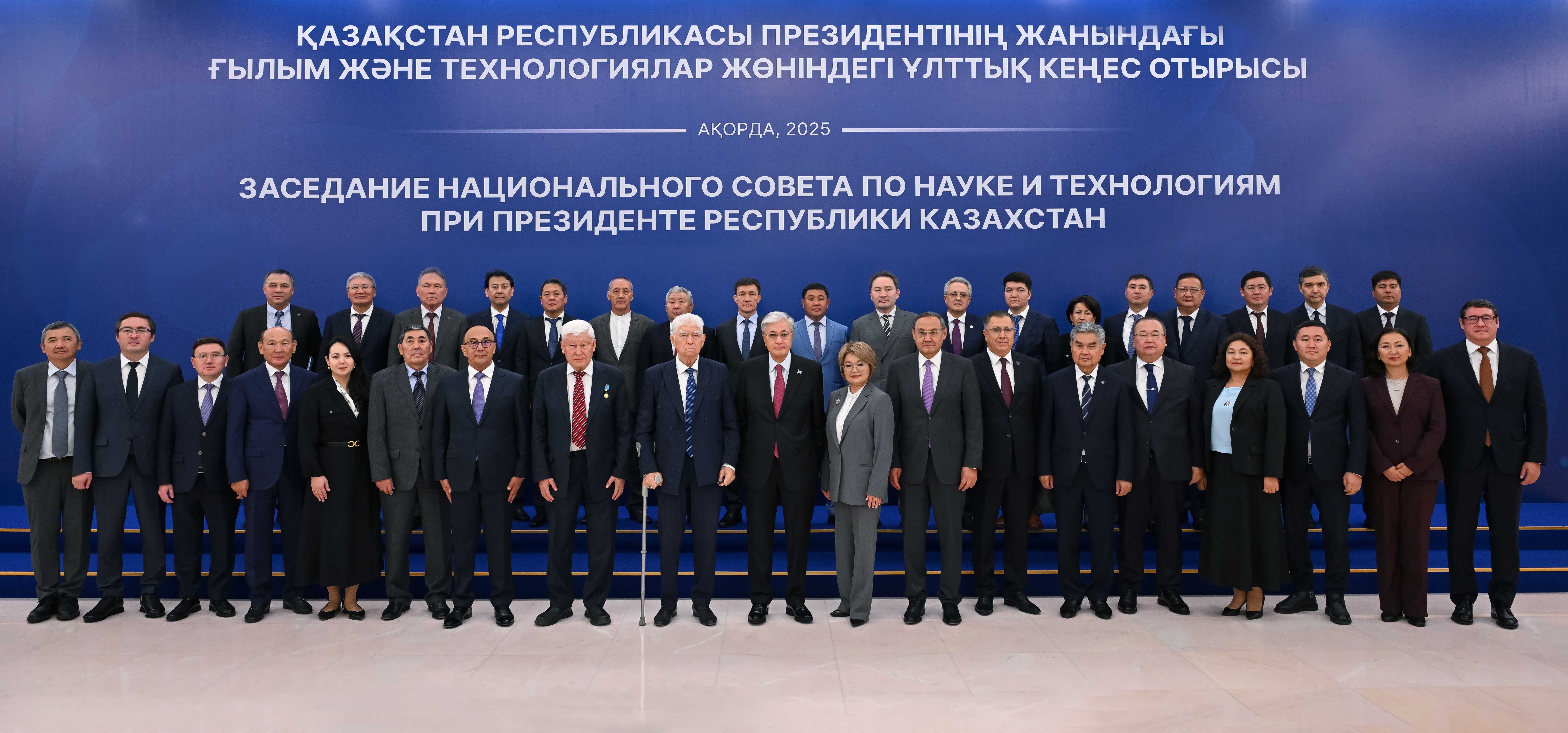
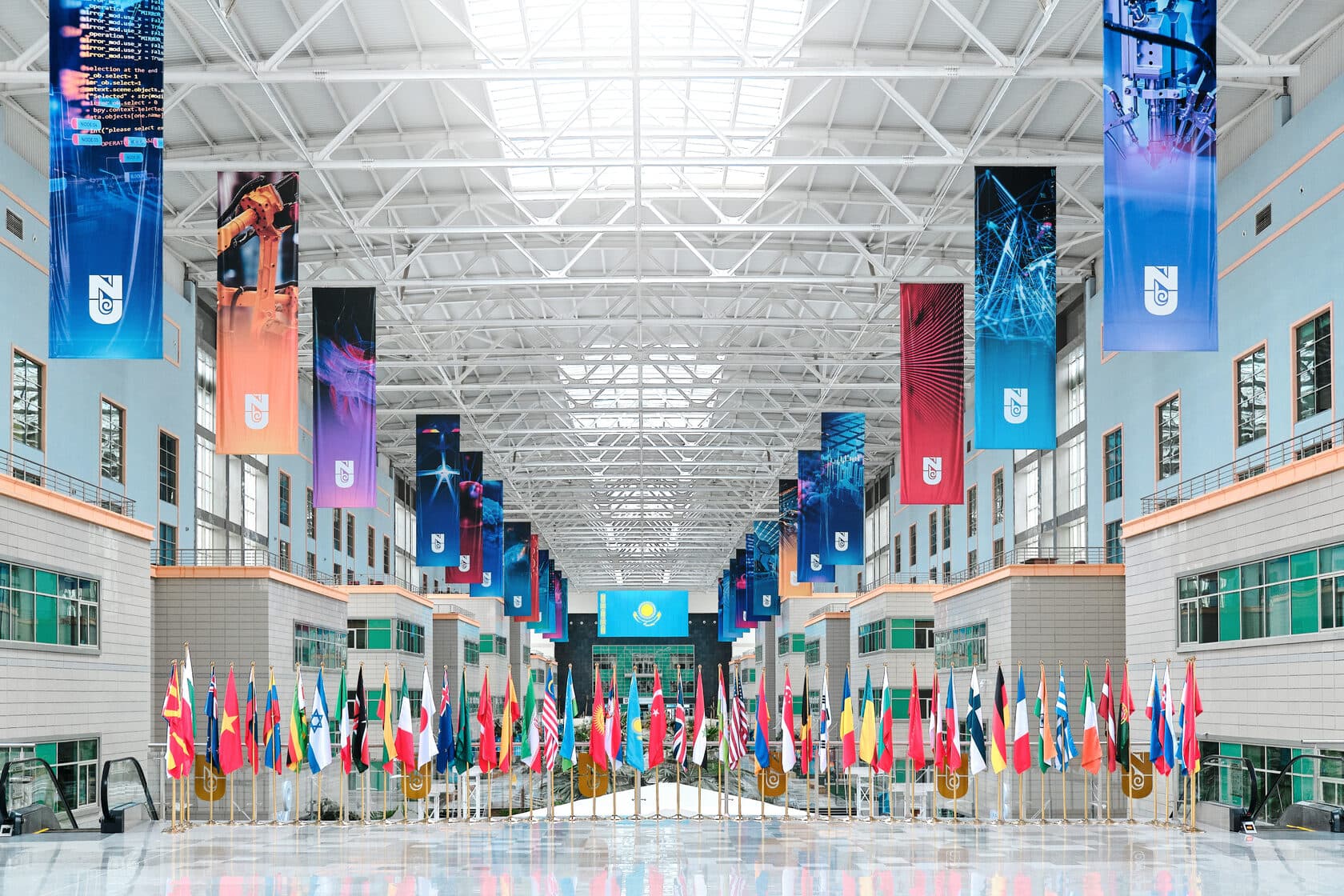
Over the past year, science and higher education in the Republic of Kazakhstan have entered a phase of profound systemic transformation. Instead of targeted measures, the ministry has shifted toward a comprehensive transformation, prioritizing the quality of personnel training, academic freedom at universities, and the integration of research into the real economy. In an interview with the Minister of Science and Higher Education of the Republic of Kazakhstan, we explore how new educational standards, digital platforms, and international partnerships are shaping the country’s future.
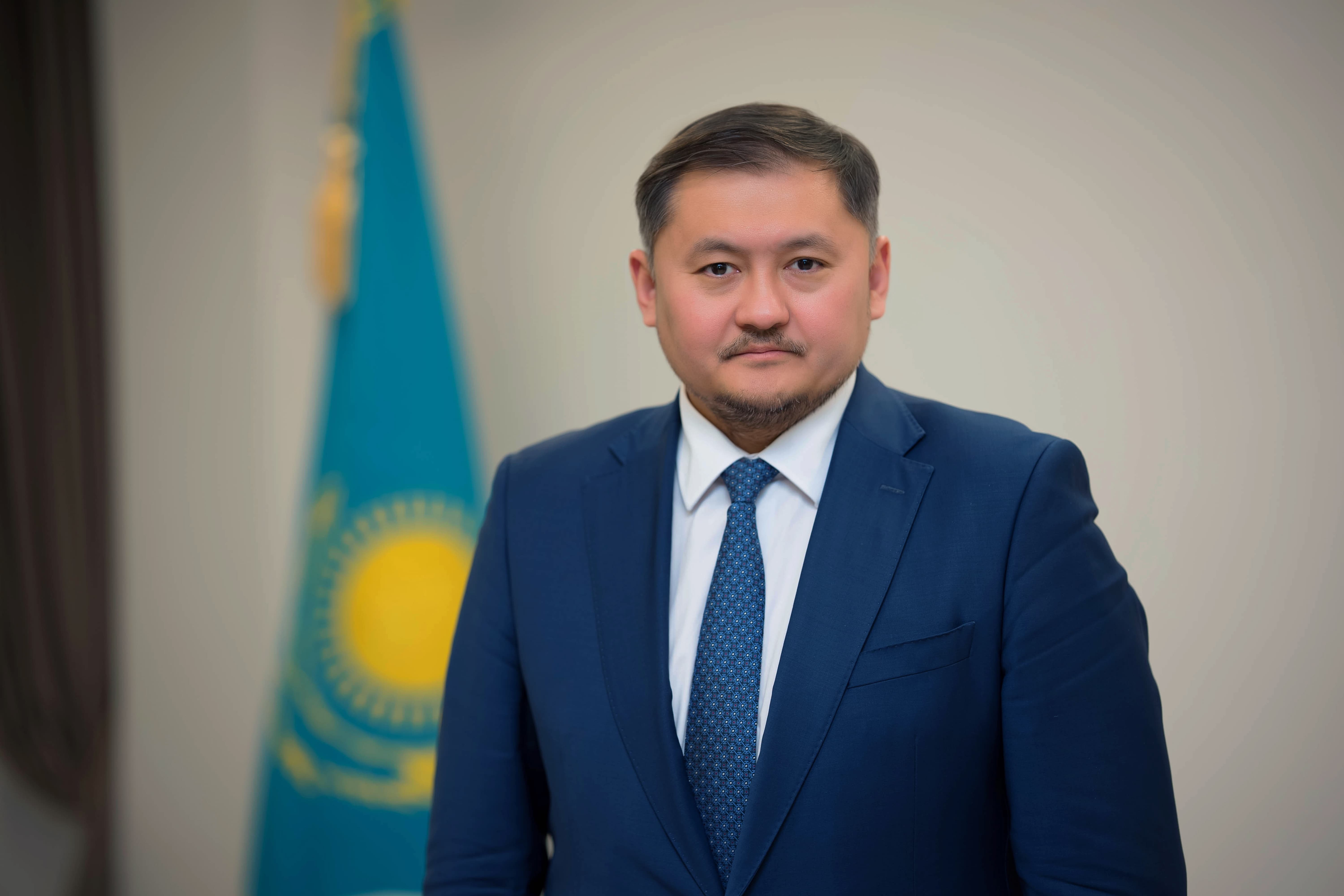
Sayasat Nurbek Minister of Science and Higher Education of the Republic of Kazakhstan
Education for the Real Economy
How does the Ministry ensure that personnel training meets the needs of the labour market?
— We have completed the development of Regional Needs Maps as part of the “Mamandygym – Bolashagym“ project, covering 27 economic sectors. Using the
Atlas of New Professions, 1,758 educational programs have been updated, and 797 new professions have been identified, such as reverse engineers and digital twin engineers. The industrial PhD model, focused on applied enterprise needs, is actively developing. Nine universities are training doctoral students in partnership with major companies, with 210 grants allocated over two years. Dual training programs are also continuing, with over 4,600 companies participating. A key indicator of quality is that at some universities, the rate of internship placements reaches 40–50%.
Internationalization and Global Competition
What progress has been made in integrating Kazakhstan’s education into the global arena?
— Today, the country has established partnerships with 40 leading universities worldwide, and 33 branches of foreign universities have been opened. In September 2025, representative offices of universities such as Cardiff and Coventry (UK), Woosong (South Korea),
Anhalt (Germany), and MGIMO (Russia) have opened. We not only welcome partners but are also opening branches abroad: a branch of Al-Farabi KazNU in Omsk and L.N. Gumilyov Eurasian National University in Osh. Our position in international rankings is strengthening. Forty-four Kazakh universities have already entered the QS Asia 2026 ranking, up from 35 in 2025. Five universities represent Kazakhstan in the Times Higher Education 2026 ranking, with Nazarbayev University entering the top 500. Another achievement was winning an international Coursera award. Students in the country have earned approximately 350,000 Coursera certificates, dozens of courses have been translated into Kazakh, and universities have integrated online learning into their academic programs.
Talent and Human Resources
What is being done to ensure that young scientists remain in science and feel supported by the state?
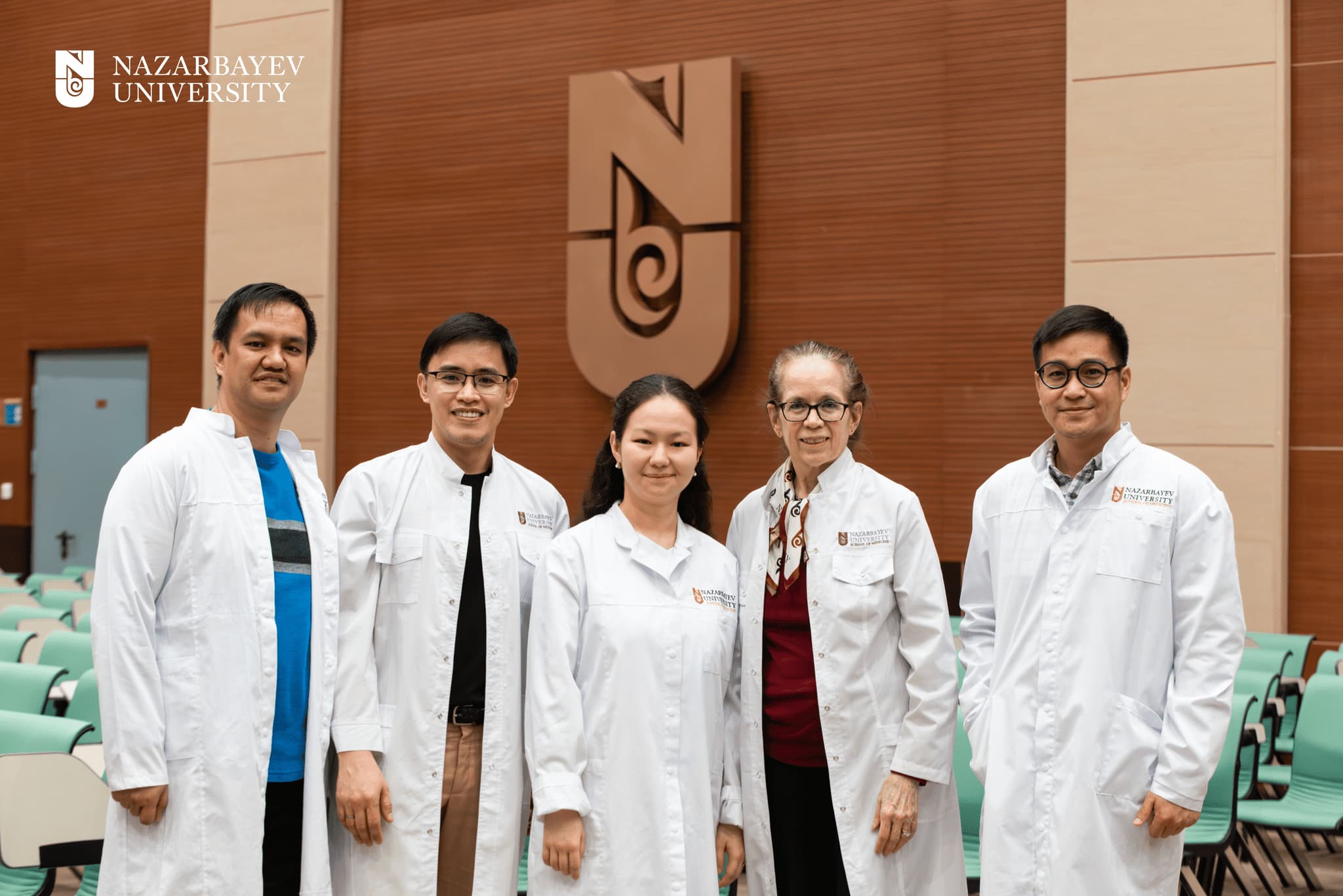
— We have significantly increased the number of competitions for young scientists: 12 grant competitions were held, including the “ Zhas” program 1,735 projects were supported. One of the most pressing issues — housing — was resolved. In 2024–2025, 577 young scientists received keys to apartments. We also increased bonuses for academic degrees to 50 MCI and ensured that leading scientists receive salaries within the basic funding. As a result, the number of young researchers in the country has grown to 12,738. Projects are also being implemented to produce vaccines against brucellosis and an AI system for diagnosing breast cancer.
Science: From Research to Production
How is the science funding system being restructured today, and what role does the Science Foundation play in supporting innovative projects?
— The funding system has implemented a range of innovations aimed at transparency and focusing research on tangible results. With the adoption of the Law “On
Science and Technology Policy”, grant funding instruments have been significantly expanded, including support for research and development work and international scientific projects.
Decentralization has been an important step: local executive bodies are now empowered to coordinate research and development activities and provide grant funding for applied research from local budgets. Regional science councils have already been established within all regional executive bodies to interact with scientists and industry.
A special place in this ecosystem is occupied by the Science Foundation, whose status has been expanded to that of the National Agency for Technology
Commercialization. The Foundation now not only allocates grants but also provides acceleration, technology brokerage, and venture financing services. The results of this work are already measurable: the Foundation’s portfolio includes 412 pro jects, and the cumulative contribution of all commercialization competitions has amounted to 126 billion tenge. This includes sales of science-intensive pro ducts worth 53.7 billion tenge and private co-financing totaling 24 billion tenge. Thus, we ensure a seamless chain — from a scientific idea to the market launch of the finished product.
Can you provide specific examples of the commercialization of Kazakh scientific developments?
— Science has begun to generate real income. Satbayev University’s Institute of Metallurgy and Beneficiation has developed a selenium refining technology. In January 2025, over 100 tons of products worth more than $2.5 million were exported to China. Another example is the production of vanadium electrolytes for “perpetual” batteries, which are already exported to Austria and Russia, with sales volumes exceeding 280.8 million tenge. Projects are also being implemented to produce vaccines against brucellosis and an AI system for diagnosing breast cancer.

Innovation, AI, and the Digital Ecosystem
What role do the AI-Sana program and new IT solutions play in this process?
— AI-Sana includes the integration of educational, research, and applied approaches, allowing universities to move from a traditional educational model to a research-based format. The AI-Sana program is being implemented in stages, with each stage aimed at consistently developing students’ competencies — from basic knowledge of artificial intelligence to the professional development of startups and their market scaling. The preparatory phase of the innovative program was launched in February 2025. This phase will involve 724,000 students across the country, who will gain foundational knowledge in AI.
As part of the program, Huawei localized and translated two courses on basic AI skills into Kazakh. Students earned 256,019 unique certificates. The training is provided through 47 ICT Academies, established at universities across the country to provide comprehensive training in the latest ICT technologies. In collaboration with Astana Hub, the “AI Fundamentals: ChatGPT” course was launched in March 2025, with 103,113 students certified. Registration for undergraduate, graduate, and doctoral students is ongoing. Courses from the Coursera educational platform, including AI-related courses, are also available. Experts have selected two AI courses: “Generative AI for Everyone” and “Prompt Engineering for ChatGPT.” Coursera has allocated 36,890 licenses to 95 universities across the country as part of the program. A total of 64,134 certificates have been awarded for these courses. In addition, universities will be able to teach students independently developed courses, issuing an electronic certificate of the established format. Twenty-seven “anchor” universities in each region of the country have been selected and approved for further implementation of the program. The universities were selected based on criteria related to the necessary infrastructure for program implementation, including the availability of AI-related educational programs, international partners, computing power, and other factors. Thus, the AI-Sana program is aimed at creating a favorable ecosystem for the development of artificial intelligence in the country.
How has the legislative framework regulating the financial sustainability of universities and the development of science changed?
— We’ve laid a solid legal foundation. On July 1, 2024, the Law on Science and Technology Policy was adopted, introducing the international Technology Readiness Level (TRL). Furthermore, businesses received an incentive: 150% of research costs are tax-deductible, provided entrepreneurs co-finance the project at 30%. On June 30, 2025, the Law “On Endowment Funds” was adopted. This is a historic moment for the financial independence of universities. Today, there are 22 endowment funds operating in the country, 15 of which are in the education sector. One example is the private endowment fund of Alageum Electric, with a capital of 2 billion tenge.
What are the Ministry’s strategic objectives for the near future?
Our priority remains the development of a sustainable academic community. This entails further diversification of funding sources for universities and the development of a regional research ecosystem through the creation of centers of excellence and advanced engineering schools. We are transitioning from a purely academic model to an applied one, where science and higher education become drivers of technological modernization for the entire Kazakh economy.