
Kazakhstan
At the beginning of 2026, Kazakhstan’s industrial agenda is increasingly perceived as an applied dimension of modernization, not as a “separate industry,” but as a mechanism through which reforms translate into new capacity, jobs, and sustainable output. In this spirit, President Kassym-Jomart Tokayev, in an interview with the Turkistan newspaper, described 2025 as a milestone confirming the irreversibility of reforms and the country’s entry “into a new stage of modernization.”
Macroeconomic statistics show that growth is increasingly driven by sectors of the “real economy.” According to the Bureau of National Statistics, Kazakhstan’s GDP increased by 6.5% in 2025, with industry, transport, construction, and trade contributing the most. Within industry, it is particularly significant that growth is occurring not only in production but also in processing: the industrial production index for 2025 was 7.4%, while the manufacturing sector grew by 6.4%. Growth in processing was supported, in particular, by increased output in the food industry (+8.1%), oil refining (+5.9%), chemicals (+9.8%), and mechanical engineering (+12.9%). Against this backdrop, industrialization takes on a “second-tier” economic significance: its importance lies not in the number of applications, but in the fact that it expands domestic added value and triggers a multiplier effect in logistics, infrastructure, and employment. This correlation is well illustrated by data on the 2025 growth structure: transportation and warehousing increased by 20.4%, construction by 15.9%, and trade by 8.9%. In practical terms, this means that industrial investment is increasingly “pulling” associated markets — from freight transportation to residential construction and social infrastructure.
Industrial Cycle 2024–2026: From Project Launch to Design Capacity
The government’s industrialization plan for 2025 is ambitious. According to government reports, 33 new industrial enterprises were launched in various regions of the country in 2025. According to official estimates, these projects created over 10,000 jobs and attracted over 841 billion tenge (approximately $1.6 billion) in investment. A “2026 economic model” is also being developed, with a clear emphasis on manufacturing. In reviewing forecasts for 2026, the government indicated that the manufacturing industry, construction, transportation and warehousing, trade, and food and beverage production should contribute primarily to future growth. The manufacturing industry’s physical volume index is expected to grow by 6% by the end of 2025, with the target for 2026 set at 6.2%. Importantly, this forecast is tied to specific industrial growth drivers. In mechanical engineering, the target for 2026 is set at +13.4%, while the increase in passenger car production is estimated at +17% — directly linked to the launch of new capacity at a number of enterprises. Separately, in the chemical industry, the expected growth is linked to the launch of new capacity for sulfuric acid, sodium cyanide, hydrogen peroxide, and liquid glass. In construction materials production, according to government data, the share of domestic producers in the domestic market has reached 70%, and this base is seen as a foundation for further growth. For business audiences, the key question is which specific projects are changing the structure of production and creating sustainable demand for cooperation. In the current industrial cycle, three indicative initiatives in the manufacturing industry stand out.
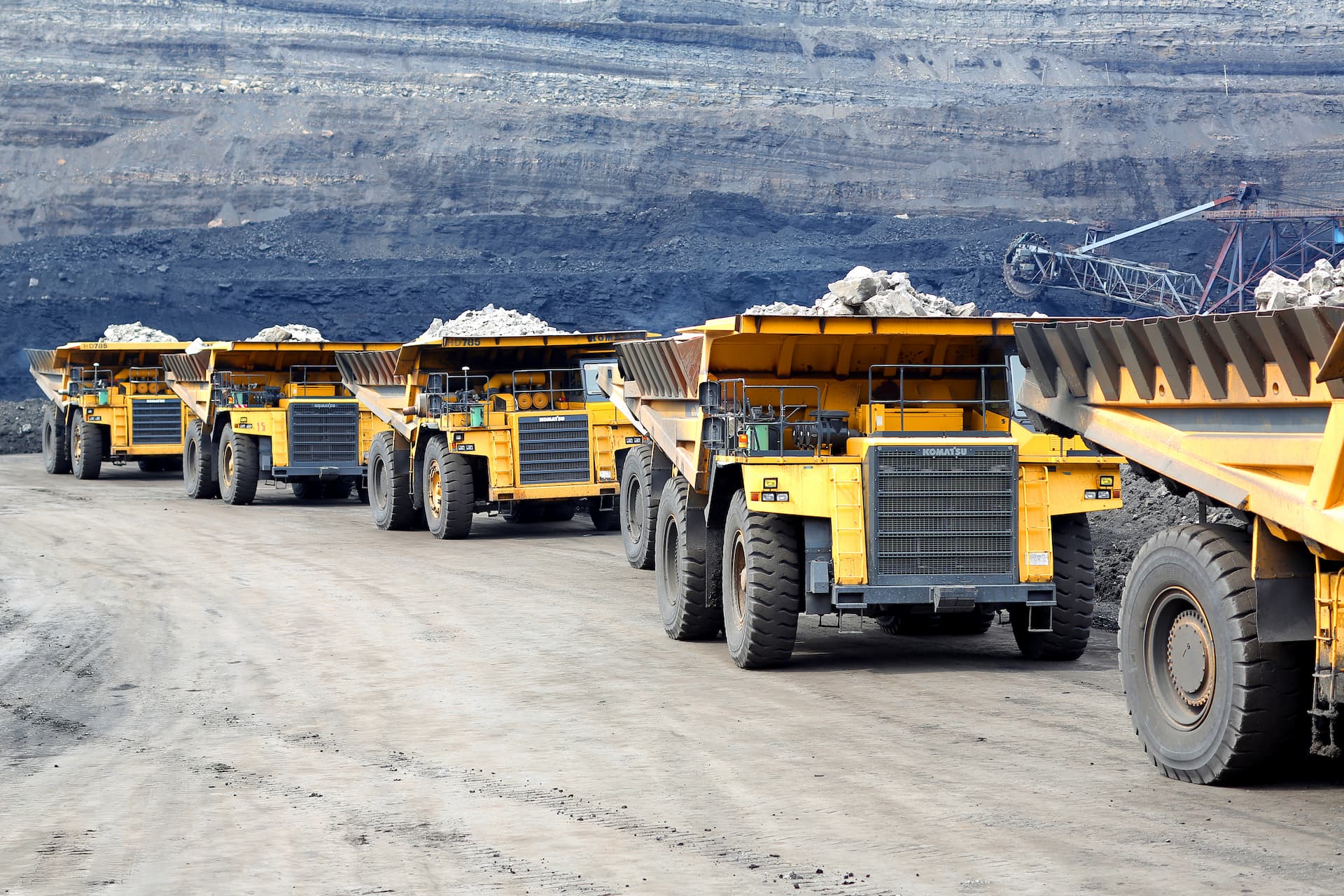
Astana Motors Manufacturing Kazakhstan
This is one of the largest new sites in mechanical engineering, creating impact not only through final product assembly but also through the development of supplies of materials, components, and services. The government’s 2026 forecast links the growth in passenger car production to the capacity added at such facilities.
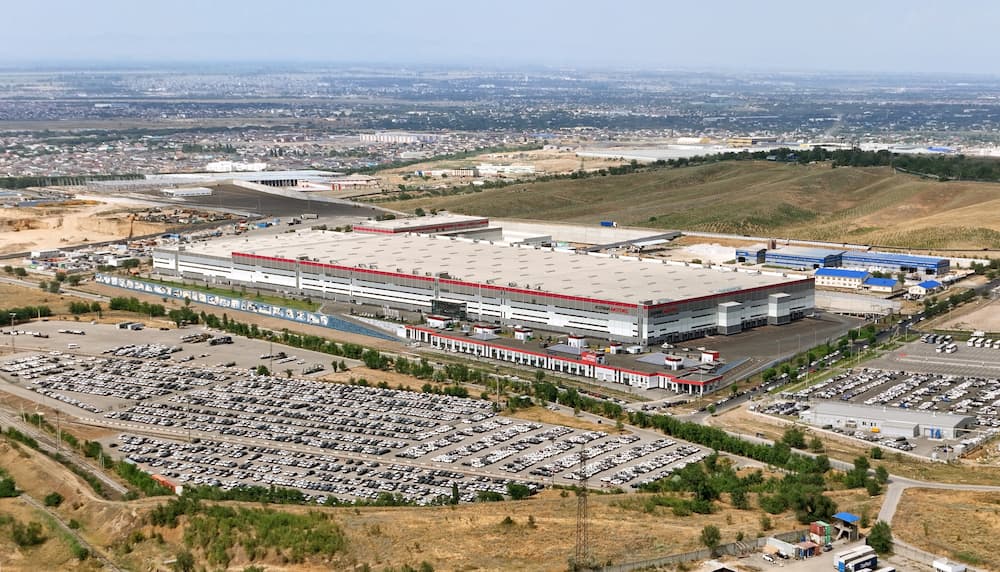
KIA Kazakhstan
The economic role of this project is similar in logic: automobile production acts as an anchor for the local value chain — from metalworking and industrial chemistry to logistics and industrial services. In official government documents, the growth forecast for mechanical engineering and automobile production in 2026 also relies on the introduction of new production capacity in the sector.
Kazakhstan
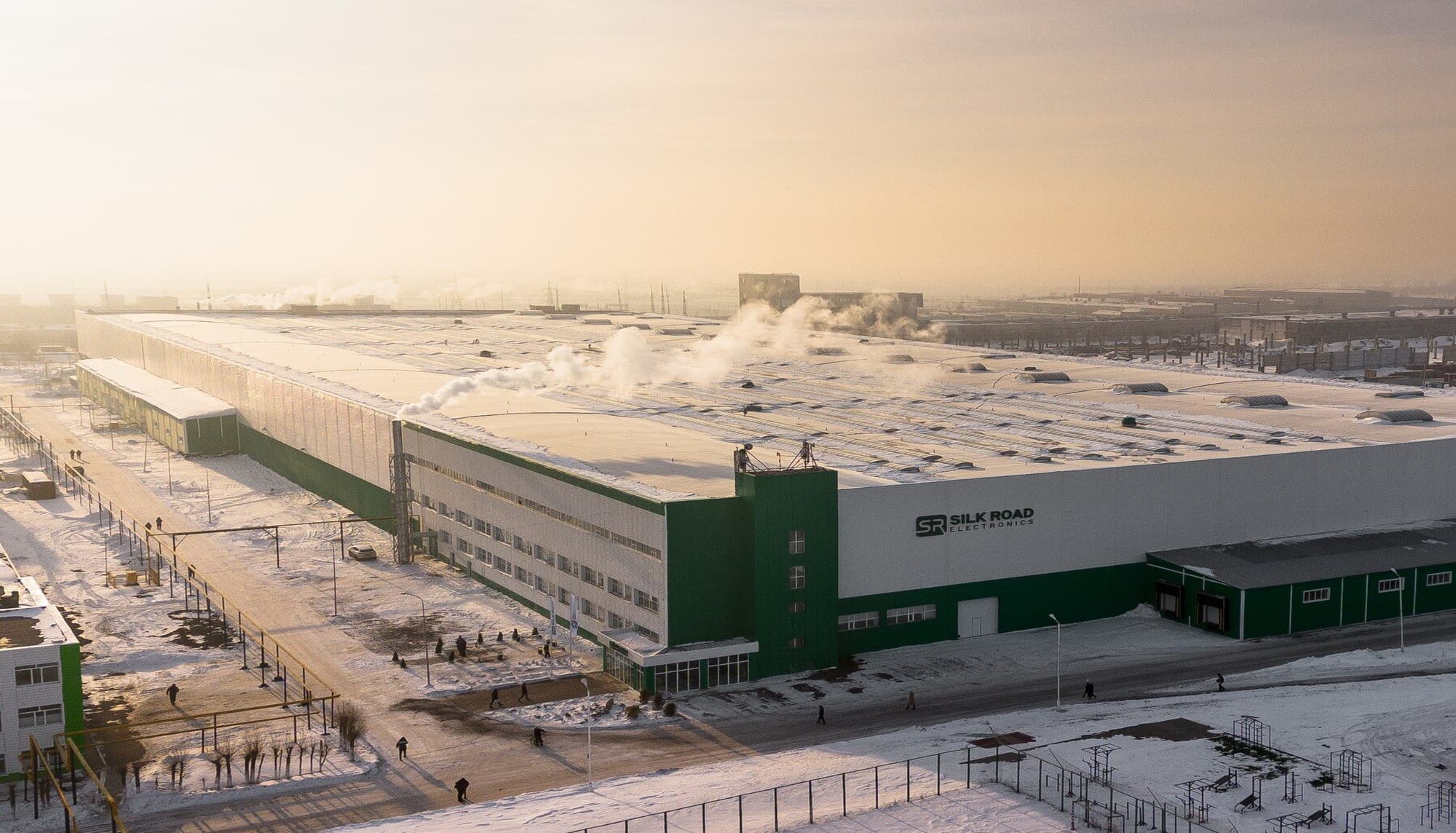
Silk Road Electronics
According to the regional administration, the plant has officially launched production of Samsung-branded televisions and washing machines. This year, 17 washing machine models and 21 television models are planned for production. Production of Crystal UHD 4K, FHD, and HD televisions has also begun, with plans to launch QLED televisions in the near future. The project, implemented with state and regional participation and supported by the Industrial Development Fund, underscores its importance as a key element in the localization of high-tech production in the manufacturing sector.
Digitalization of Construction as an Infrastructure for Industrial Growth
It’s especially noteworthy that the industrial agenda is complemented by “speed infrastructure” — digital changes in the construction industry that directly impact the timeframe and cost of commissioning new production facilities. According to the government, a plan for digitalization of the construction industry has been approved, which includes, among other things, the implementation of BIM design, automation of processes and government services, and the creation of digital facility passports. For investors and industrialists, this means a transition to a more predictable project implementation environment: reduced transaction costs, shorter approval times, and increased manageability of the facility’s life cycle — from design to operation. Overall, the current picture resembles a unified industrial cycle: growth in 2025 (6.5% of GDP) is supported by accelerated manufacturing and mechanical engineering. The government has recorded the launch of 33 new industrial enterprises and is simultaneously formulating a forecast for 2026, where the key drivers are manufacturing, construction, transport and warehouse logistics, and trade. At the case level, this is reflected in the launch of anchor projects in mechanical engineering and the localization of high-tech household appliance production, as well as in the institutional “superstructure” — the digitalization of construction. As a result, industrialization is becoming not an accompanying trend, but one of the most practical pillars of economic modernization, as outlined by President Kassym-Jomart Tokayev.