
UAE
For decades, the UAE was perceived as a global trade and logistics hub, where capital, people, and goods move faster than anywhere else in the region. However, in the 2020s, the country has been steadily restructuring its economic model: industry is being transformed from a “supporting” sector into a systemically important driver of sustainable growth, exports, and technological independence. The conceptual framework for this transformation is the Operation 300 Billion program, a government industrial strategy aimed at a qualitative leap in manufacturing and processing.
Operation 300 billion is based on a measurable goal: to increase the contribution of industry to the economy by 2031, doubling the target from approximately AED 133 billion, while simultaneously increasing competitiveness through the implementation of “Fourth Industrial Revolution” technologies and restructuring the regulatory environment.
The most important feature of the UAE’s approach is its focus not on declarative slogans, but on the “project-based assembly” of industrial growth: through large production clusters, off-take, localization of supply chains, and long-term financing.
Make It in the Emirates
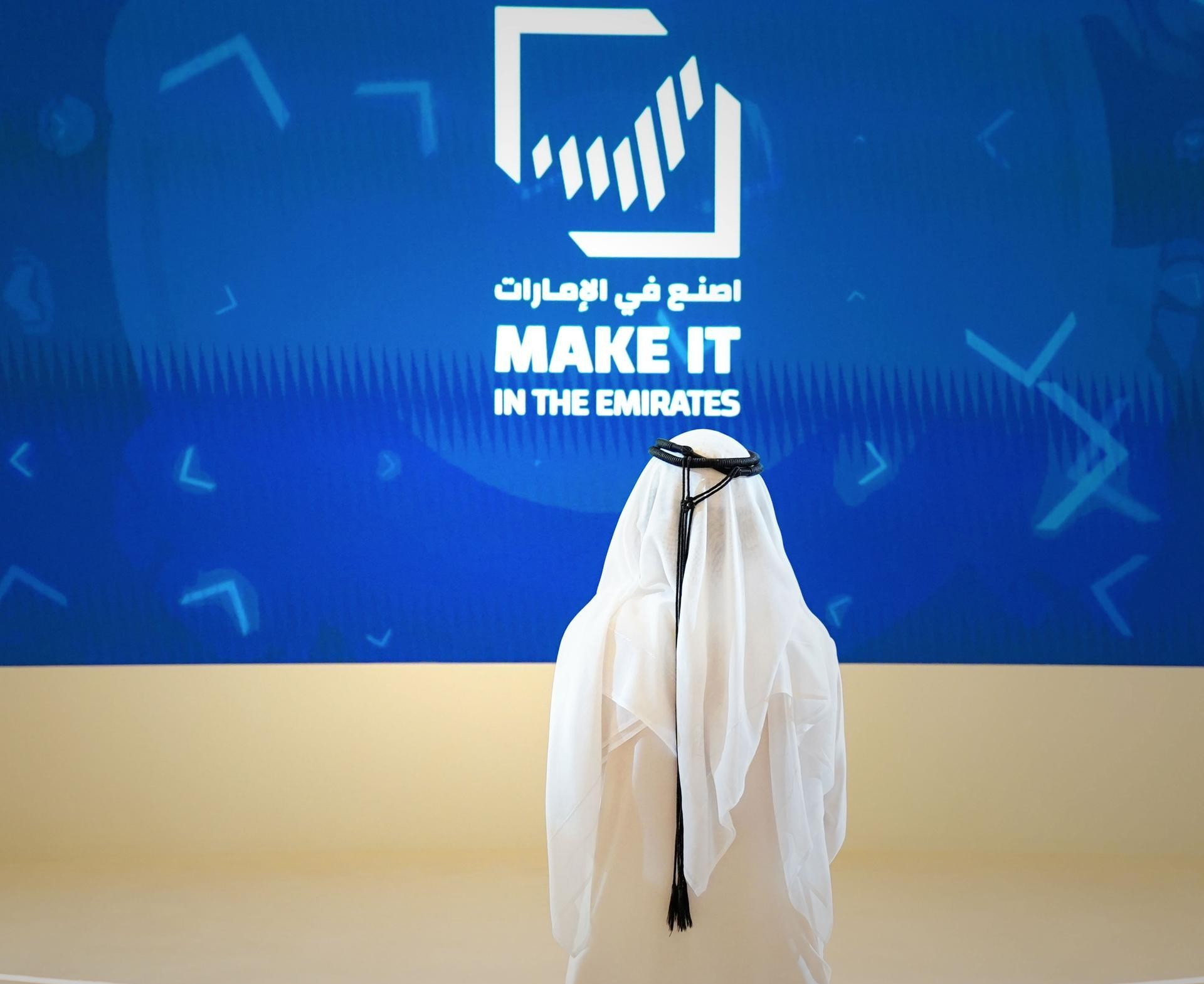
Make platform became the practical “driver” of the Operation 300 billion agenda. It is an annual industrial event where the government, national companies, banks, and the private sector synchronize their project and contract portfolios. In 2025, the platform recorded a significant industrial acceleration: over 122,000 participants, more than 187 agreements and memorandums, as well as new off-take opportunities worth AED 7.8 billion and the announcement of new industrial projects worth AED 11 billion. This isn’t just a matter of isolated “showcase factories.” The forum itself is structured by industrial sector, from chemicals and metals to mechanical engineering and defense. In 2025, the exhibition and project agenda covered 12 industry sectors, including chemicals, metallurgy and metalworking, mechanical engineering, electrical equipment and electronics, construction, shipbuilding and the marine industry, as well as aerospace, automotive, and defense. This represents the industry’s “assembly loop”: projects, technologies, local supply chains, and financing all come together in one place.
UAE
TA‘ZIZ
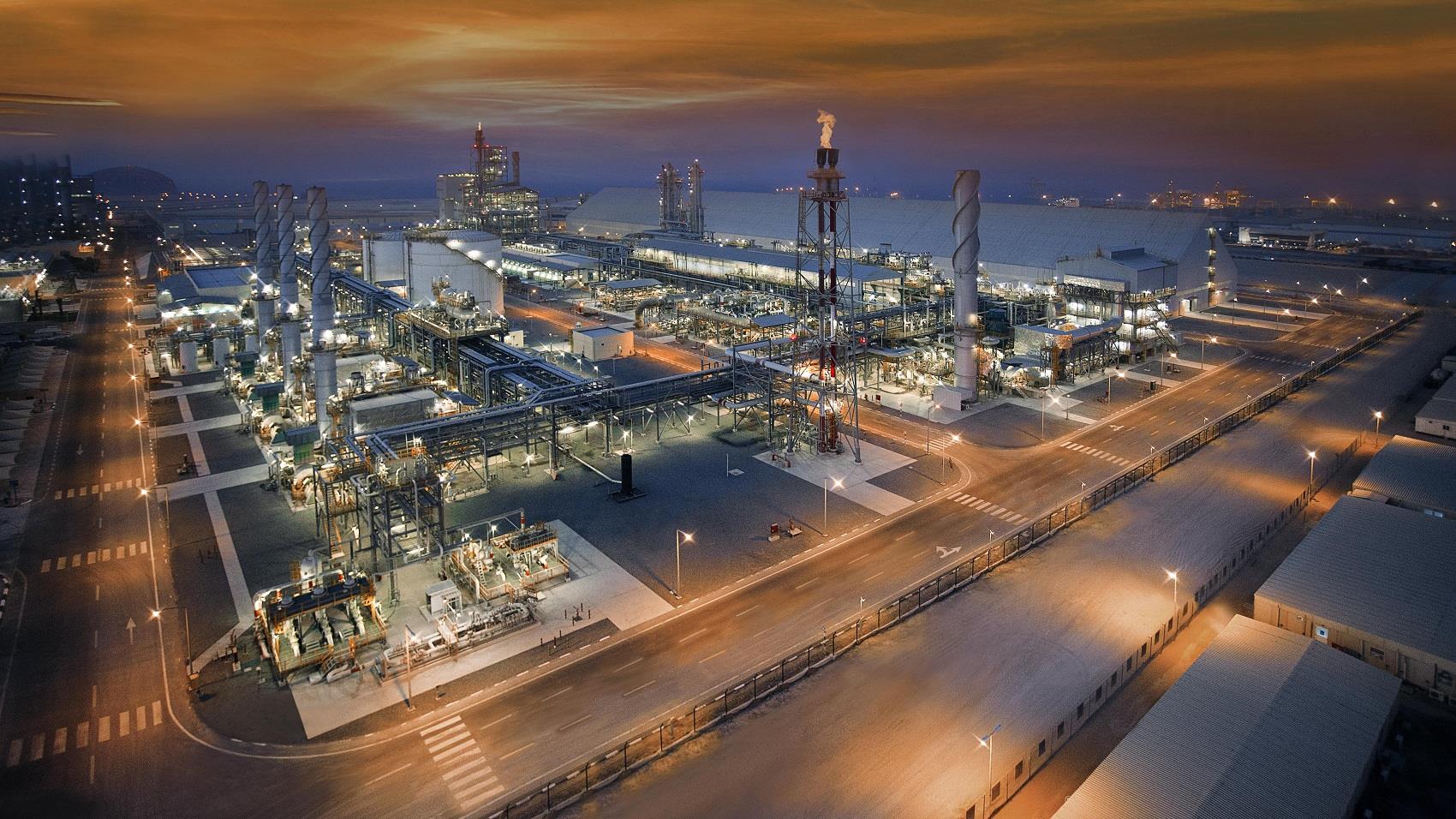
The most illustrative example of Emiratistyle industrialization is the development of the chemical and processing cluster in Al Ruwais Industrial City around the TA’ZIZ platform. The logic is simple: oil and gas remain the resource base, but added value and export potential are created in processing—chemicals, plastics, and materials. In 2024, TA’ZIZ announced the award of contracts worth over $2 billion for key infrastructure. Production is scheduled to begin in 2027, with a target volume of 4.7 million tons per year by 2028. Notably, the launch phase will include products, some of which have not previously been produced in the UAE, directly supporting import substitution and the development of manufacturing industries. The list of launch chemicals in-cludes caustic soda, ethylene dichloride (EDC), vinyl chloride monomer (VCM), polyvinyl chloride (PVC), low-carbon ammonia, and methanol. A separate indicator of the cluster’s maturity is its logistics and export infrastructure: TA’ZIZ and ADNOC Logistics & Services have announced the creation of a specialized chemical port in Ruwais based on a long-term agreement to ensure the efficient export of chemical products. At the same time, “transition fuels” and low-carbon chemistry are developing. For example, in 2024, Reuters reported on the Al Ruwais ammonia plant project (a partnership between Mitsui and TA’ZIZ/ ADNOC, among others), scheduled to begin operations in 2027 with a capacity of 1 million tons per year, integrating CO₂ solutions for the transition to “clean ammonia.” For the UAE, this is more than just an energy project — it’s an export-oriented industrial chain with industrial expertise.
ADNOC
The second pillar of the industrial push is not only capacity construction but also ensuring capacity utilization through domestic demand from major customers. ADNOC has strengthened industrial localization through its In-Country Value (ICV) program and publicly set the ambitious target: localizing up to AED 90 billion in products in its procurement basket by 2030, while simultaneously expanding the economic impact of ICV.
In 2025, ADNOC also announced that its supply chain partners had committed to investing AED 3 billion in the establishment of production facilities in the UAE to meet ADNOC’s current and future procurement needs and in line with Make it in The Emirates. Together with TA’ZIZ, this creates a closed-loop system: large processing projects plus local manufacturers of equipment, materials, and services, which gain a long-term domestic market.
Make platform itself play a similar role. it in The Emirates: an increase in coverage to 4,800 locally produced (or localized) items, an increase in industrial procurement through ICV and a link to offtake contracts — this is essentially a “conveyor belt” for converting purchasing demand into new factories and lines.
Leonardo and EDGE
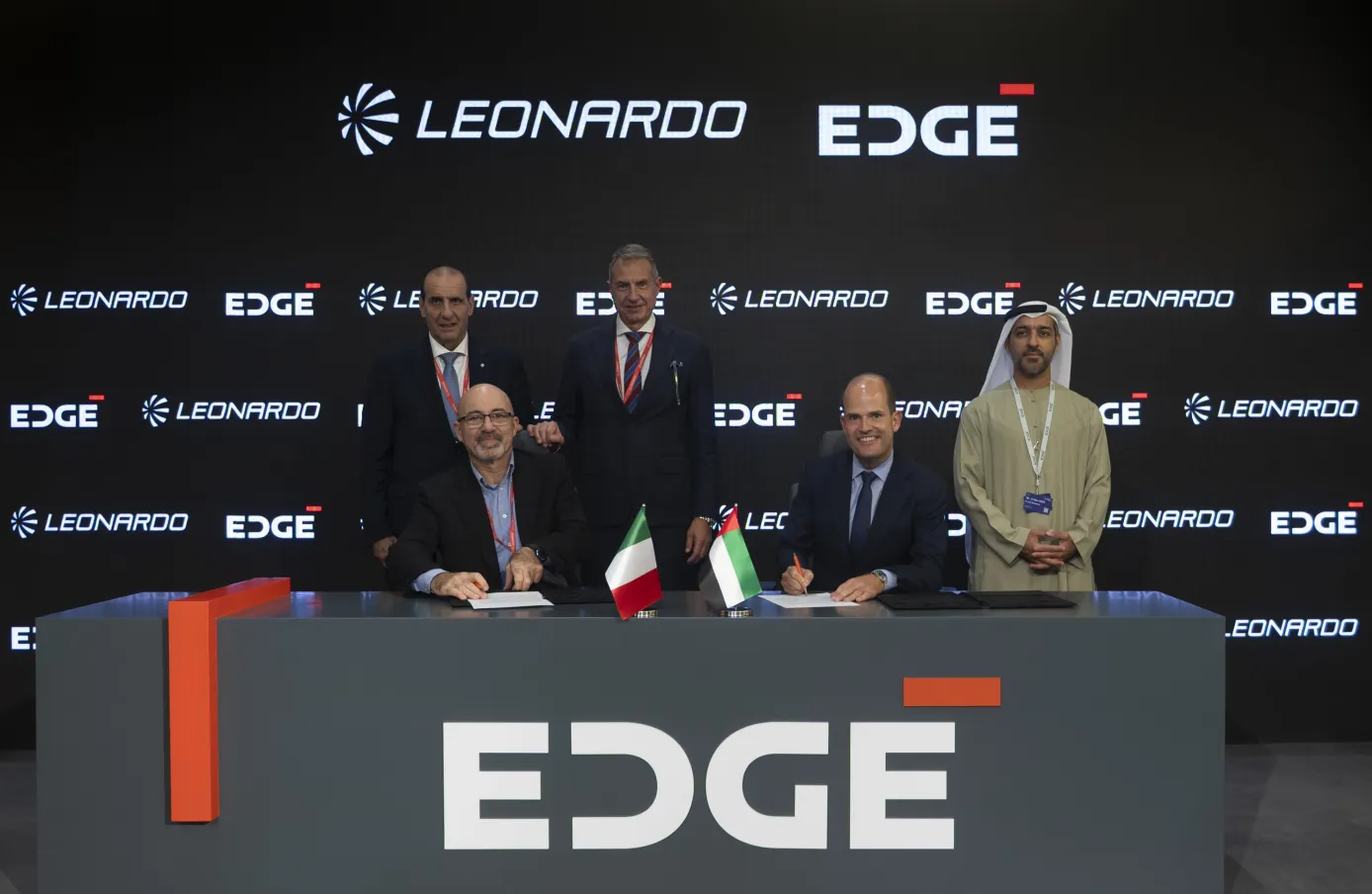
Leonardo-EDGE joint venture in the UAE in 2026 is announced for the development and production of defense systems with a focus on industrialization, training, and workforce development.
At the same time, EDGE is demonstrating the industrial “inside” of this policy: the group announced the implementation of over 65 digital transformation projects, affecting 24 production sites, and the improvement of production parameters through automation and Industry 4.0. Taken together, this means not only product assembly but also the transfer of engineering, production, and quality expertise in-country. The logic is similar in civil aviation: Reuters reported on an agreement between Emirates and Safran to establish a factory in Dubai for the production and assembly of aircraft seats, with the project targeting completion in Q4 2027 and a planned capacity of up to 1,000 business-class seats per year at launch. This is an example of “smart localization”: it’s not necessary to build the entire aircraft, but it is critical to localize high-tech modules, service, MRO capabilities, and the supply chain.
Emirates Development Bank
Finally, an industrial breakthrough is impossible without long-term financing. The Operation 300 Billion architecture integrates the financial framework into the strategy: the Emirates Development Bank (EDB) is positioned as one of the program’s key financial drivers, with a targeted expansion of its support portfolio to AED 30 billion and a focus on priority sectors. In 2024, the EDB announced AED 5 billion in financing for 2024 to accelerate production, including lending with commercial banks. In 2025, as part of the Make program it in the The UAE Ministry of Industry and Advanced Technology has provided industrialists with access to a 40 billion dirham (approximately $1.5 billion) credit line for five years. The agreement with national banks is aimed at supporting local production and promoting the Made in the UAE brand.
Industrialization as a Managed Portfolio
The UAE’s Operation 300 Billion is an industrial policy assembled as a portfolio of specific projects and contracts. TA’ZIZ chemicals in Ruwais, with its clear products and timeline, localized demand through ADNOC and supplier investments, complex defense and aviation production with the launch of new-generation factories, plus the financial framework of the EDB and the banking system — all this transforms industrialization from an abstract strategy into an industrial practice. While the UAE’s competitive advantage previously lay in the speed of trade and capital flows, the country is now adding a second layer — the speed of production deployment. This approach transforms the Operation 300 Billion strategy from an abstract indicator into a working model for industrial breakthrough. Its effectiveness is confirmed by concrete metrics: the number of new capacities, the depth of supply chain localization, and the expansion of export portfolios.