
Kazakhstan
We are entering 2026 at a time when Kazakhstan’s industrial landscape is undergoing a profound structural transformation. In this article, we analyze how the government’s updated policy and the President’s policy messages are shaping new conditions for the entire industry, and the role that technological expertise plays in building this future.
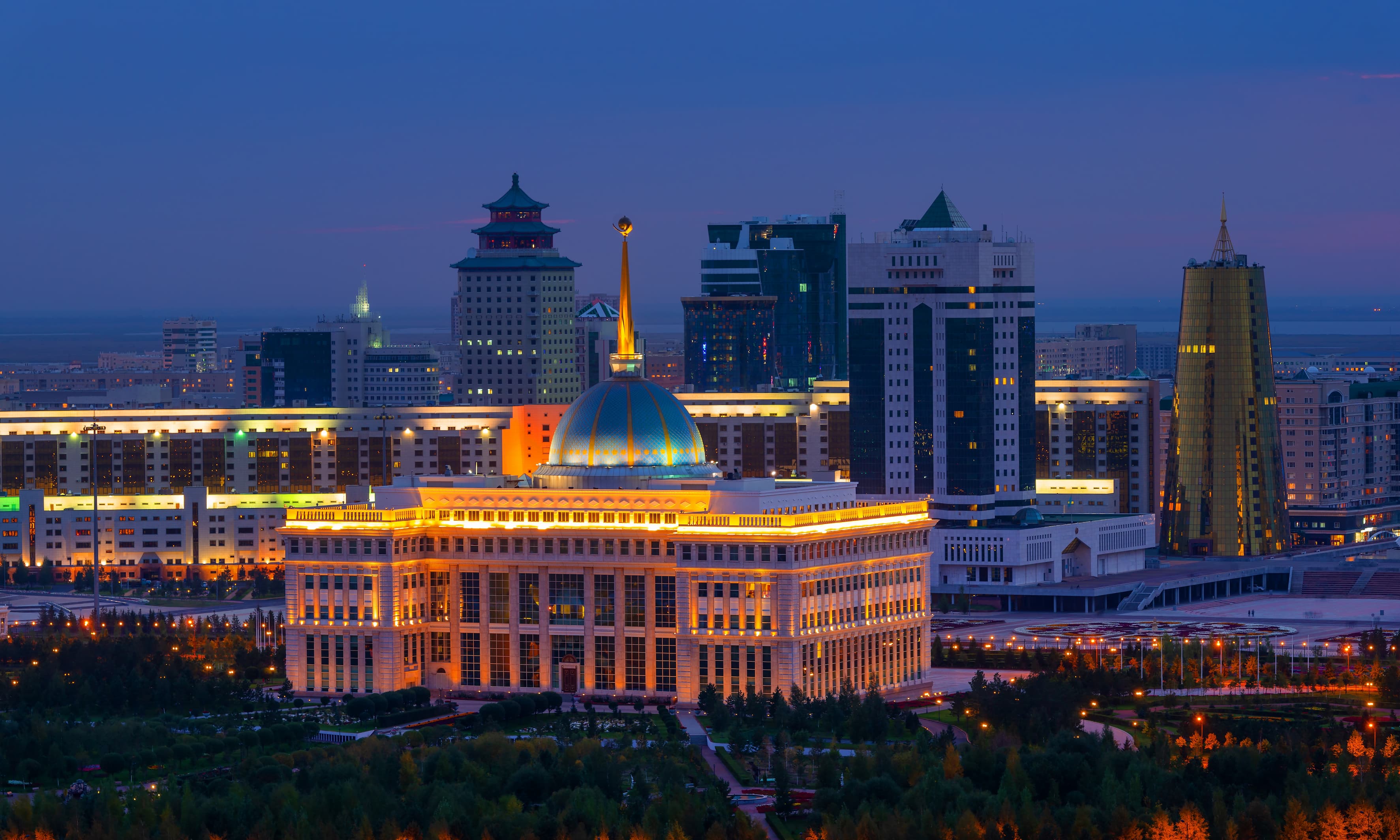
A Course on Responsibility: A Signal from Akorda
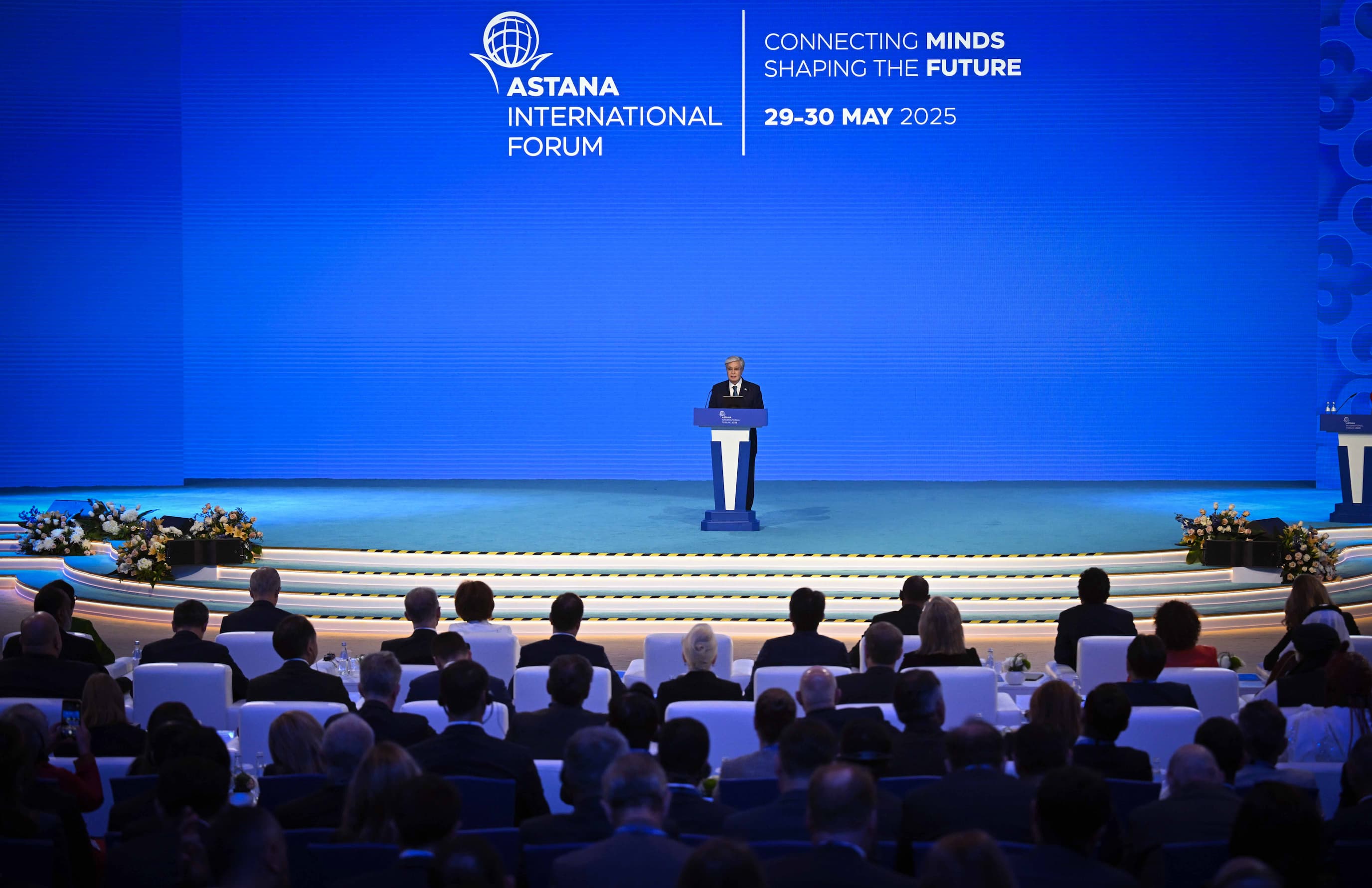
President Kassym-Jomart Tokayev’s policy speeches for the 2024–2025 period laid the foundation for a new paradigm in the country’s construction and industrial sectors. The head of state clearly outlined a path toward radically increasing responsibility for the quality of materials used and compliance with technical regulations. In today’s reality, lowering safety standards in architectural and infrastructure projects is officially characterized as a “crime” against the public interest. This message became the start-ing point for a large-scale review of the technical regulation system. The state is shifting from a model of formal control to a model of real durability: today, it is strategically important that every tenge invested goes toward creating facilities capable of serving for decades without losing their operational characteristics.
The Transition to Digital Transparency
The current state of Kazakhstan’s construction and metalworking industries is characterized by adaptation to new traceability tools. The government initiative to implement end-to-end digital control systems at all stages — from production to installation — aims to create a transparent environment for all market participants. This step changes the very structure of interactions within the industry. Now, the origin and technical characteristics of every industrial component, including protective coatings, must be confirmed in a single digital database. This transparency allows the market to naturally filter out solutions that do not meet modern environmental requirements and international technical standards. The industry is shift-ing from price competition to competition based on verified product life cycles.
In a broader context, it can be stated that Kazakhstan’s industrial policy is increasingly focused on technological modernization and improvment of quality discipline
Kazakhstan
Prospects and Opportunities
Given the ongoing changes in Kazakhstan’s industrial and technological policies, local full-cycle production, as represented by the Asiacolor plant, can be seen as a practical element in implementing the goals of import substitution, improving energy efficiency, and transitioning to stricter quality standards in key industries. In this case, the production site not only produces finished products but also serves as an engineering competence center capable of adapting materials and technological solutions to national operating conditions, climate conditions, and local regulatory requirements. By investing in coatings with a lower curing temperature threshold, 1Thirty Holding is contributing to a systemic reduction in energy costs in the industrial sector. From an applied perspective, such technologies reduce gas and electricity consumption during the polymerization stage, as well as lowering the thermal load on equipment. For industries with a high proportion of thermal processes, this effect can be quantified through reduced operating costs and increased stability of production cycles, making such developments not just lip service but measurable in terms of economic impact. Climate remains a key constraint on the use of protective coatings in Kazakhstan. Significant seasonal temperature fluctuations, freeze-thaw cycles, and high solar insolation in certain regions place increased demands on the stability of polymer systems. In this context, the focus of R&D departments on developing materials resistant to critical temperature ranges and long-term atmospheric loads is a fundamental requirement for the engineering reliability of façade systems, infrastructure facilities, and metal structures. Climate adaptation in this case is not viewed as an additional benefit, but rather as the minimum required level of compliance with operating conditions. International expertise and knowledge transfer deserve special attention. The company’s experience in the European, US, and Middle Eastern markets means that it operates within developed product certification and coating classification systems that set clear requirements for product architecture, layer thickness, adhesion, corrosion resistance, UV radiation, and weathering. These systems are based on mandatory laboratory and climatic testing, regular production audits, and confirmation of serial production stability. They also classify products by application and expected service life under specific conditions.
Experience working within these standards demonstrates that they create a transparent and comparable quality model in which materials are assessed not by stated characteristics, but by proven op- erational reliability. A company’s experience in completing similar procedures and complying with these requirements in international markets creates the opportunity for their implementation and adaptation at the local level. Applying similar principles in Kazakhstan can improve quality predictability, simplify material selection for designers and customers, and narrow the gap between domestic and export requirements. In the long term, this will contribute to the development of a common technical language among manufacturers, developers, and regulators, where quality is determined by objective and reproducible criteria. From a market validation perspective, it’s important to note that the use of management and production practices that comply with international requirements reduces technological risks and improves the comparability of locally produced solutions with products used in developed markets. However, the key factor remains not formal compliance with standards, but the ability to consistently reproduce the stated characteristics in serial production, which is directly related to process discipline and the level of engineering control. In a broader context, it can be noted that Kazakhstan’s industrial policy is increasingly focused on technological innovation and improving quality discipline. For 1Thirty Holding, this creates the conditions for scaling up its accumulated engineering and production experience within local projects. This is not about replacing government functions, but rather about practical participation in the implementation of strategic objectives through the supply of technologies, materials, and expertise adapted to national conditions. With major investment projects scheduled for implementation through 2026 — including petrochemical complex-es, infrastructure, and new residential developments — the presence of a local manufacturer operating to internationally comparable standards reduces logistical and technological risks. This is especially important in the context of increasingly complex supply chains and growing demands for quality traceability. In this con-text, local, full-cycle production can be seen as an element in the formation of a sustainable industrial network, where the “Made in Kazakhstan” label reflects not only the origin of the product but also its compliance with a certain level of technological and operational reliability. As a result, the combined effect of localizing production, implementing energy-efficient technologies, climate adaptation, and translating international standards manifests itself not only in short-term savings or import substitution, but also in the formation of a more mature industrial environment. Such an environment is characterized by transparent quality criteria, predictable results, and reduced systemic risks at all stages — from design to operation. This is precisely where the potential for the long-term impact of such initiatives on the development of the industry as a whole lies.
A mature industry begins where global quality standards become the natural code of local production